

JSE-License
Oracle Java Licensing, Clearly Explained
Oracle Java SE Licensing, Clearly Explained - Designed to support licensing decisions, audits, and ongoing compliance — without assumptions or guesswork.

Understand Your Oracle Java License Position
Understanding Oracle Java usage is critical in today’s licensing landscape. Our LMS Verified tool discovers and analyses Oracle Java installations across servers and desktops, providing clear, evidence-based insight to support audits, reduce licensing risk, and inform commercial discussions.
Now part of the LimeSquared product suite, it delivers the same independent, Oracle-focused approach trusted by organisations worldwide.
Secure, Enterprise-Scale Java Data Collection
For large Oracle Java estates, accurate audit data must be collected securely, at scale, and without exposing sensitive infrastructure details. JSE License achieves this using in-house developed PowerShell and Linux scripts designed specifically for enterprise environments.
These scripts can be deployed using login scripts, SCCM, or existing endpoint management tools, allowing customers to automate Java data collection across thousands of Windows desktops, servers, and Linux systems. All collected data is written directly to the customer’s internal shared drive.
• No agents installed
• No outbound connections
• No cloud uploads or external data sharing
• No third-party access to audit data
Customers retain full control and ownership of their Java audit data at all times.
Once collection is complete, the JSE License tool imports the centrally stored data and converts it into structured, validated inventory and usage insights. This process produces Official Oracle Third-Party Tool Vendor (3PTV) compliant reports suitable for internal compliance reviews and formal Oracle Java audits.
Proven at Enterprise Scale
This approach is proven in real-world enterprise environments. In our most recent project, a customer successfully audited 15,000 Windows desktops and servers for Oracle Java usage in just two weeks, without transmitting any audit data outside their internal network.
By combining secure, automated data collection with the JSE License analysis engine, organisations gain a fast, defensible, and fully controlled route to Oracle Java compliance.
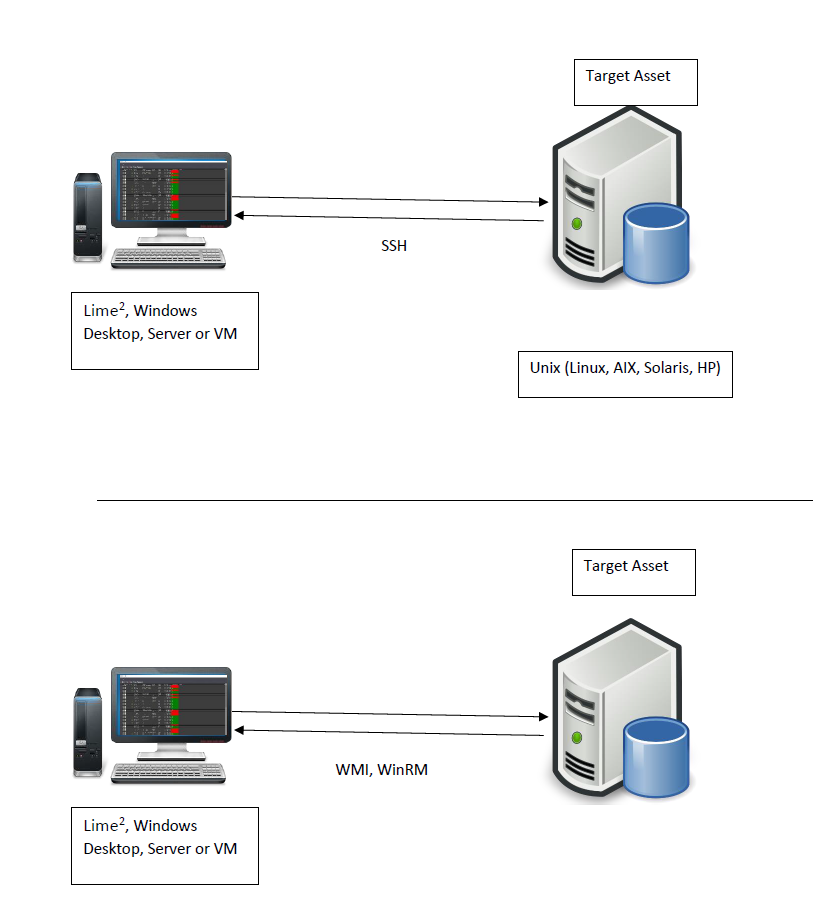
Oracle Java SE Discovery on Windows and Linux
This video demonstrates how the JSE tool audits both Windows and Linux assets to identify Oracle Java installations that may be subject to licensing.
The walkthrough shows how the tool scans each system to discover installed Oracle Java versions, captures relevant version and deployment information, and presents the results in a clear, structured view. By analysing Java installations across different operating systems, the tool helps organisations understand where Oracle Java is present and whether deployments may fall within licensable criteria.
The outcome is a consistent, evidence-based view of Oracle Java usage across Windows and Linux environments, supporting licensing assessments, audit preparation, and informed remediation decisions.
Secure Java Audit Data Collection
Based on the principle: No agents. No third-party data harvesting. You control what’s collected and where your data goes. The heat map below compares typical audit tooling risks with the JSE License approach.
| Risk Area | Typical Tools (Risk) | Typical Risk Level | JSE License (Control + Security) | Residual Risk |
|---|---|---|---|---|
| Unauthorized Data Access | Agent/platform access expands who can view audit data | HIGH | No agents. Data stays on internal storage under your access controls | LOW |
| Third-Party Data Harvesting | Data uploaded to vendor systems or cloud portals | HIGH | No third-party harvesting. No cloud upload. No vendor access | LOW |
| Data Sovereignty & Regulatory Risk | Data may transit regions / breach policy boundaries | HIGH | You choose what’s collected and where it lands (internal shared drive) | LOW |
| Security Exposure (Outbound Traffic) | Requires outbound connections for upload/telemetry | MED | No outbound connections required | LOW |
| Endpoint Change-Control Risk | Persistent agents increase footprint and patching scope | MED | Script-based execution, no resident components | LOW |
| Audit Evidence Integrity | Normalization occurs outside customer visibility | MED | Customer-owned data first; import + analysis happens from your repository | LOW |
| Legal / Contractual Exposure | Sharing audit data can breach internal or supplier contracts | HIGH | No external sharing: audit data remains internal end-to-end | LOW |
| Audit Defence Credibility | Opaque data pipelines can be harder to defend in audits | MED | Transparent collection + customer-owned evidence supports defensibility | LOW |
Summary: By removing agents, eliminating third-party data harvesting, and keeping all evidence on internal storage, JSE License reduces audit data security risks.
Why Oracle Java SE Visibility Matters
Oracle Java SE licensing has changed significantly, and many organisations now face unexpected cost exposure simply due to a lack of visibility. Java is often installed widely, updated inconsistently, and embedded in applications long after teams stop actively managing it.
Without accurate discovery and analysis, organisations may be unaware of:
Where Oracle Java is installed
Which versions are in use
Whether deployments fall under licensable editions
How usage aligns with current Oracle Java licensing metrics
This lack of clarity can quickly translate into unplanned licensing costs, particularly during audits or renewal discussions.
Ready to See JSE License in Action?
Whether you are preparing for an Oracle audit, managing a ULA, or simply seeking clearer visibility of your Oracle Java estate, Lime delivers reliable insight with a lower cost of ownership.
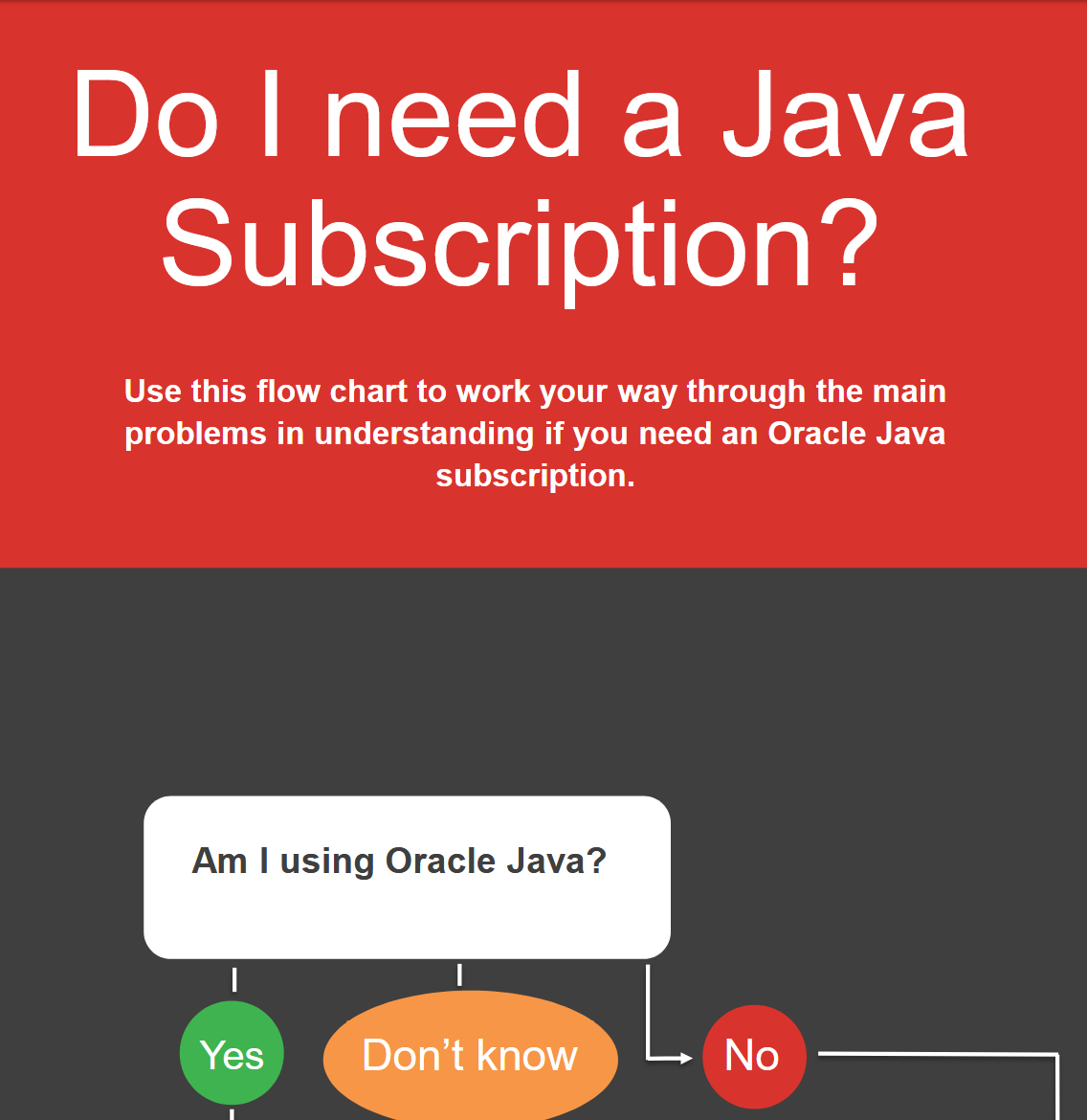
Download our Oracle Java Subscription Guide Here